Last updated November 18, 2026
The Complete ADU Builders Guide for Paradise Homeowners
Paradise, NV sits inside Clark County’s unincorporated jurisdiction, which means its ADU permitting path is different from the City of Las Vegas. Most homeowners don’t learn that until they’ve already sketched a plan on a napkin and talked to a contractor who assumed the rules were the same ten minutes up the road. They aren’t. Size, setback, and utility connection rules all follow the County’s books, not the city’s. This guide walks Paradise homeowners through what those rules actually require, what a realistic budget looks like line by line, how water, sewer, and power get connected here, and why the first year after completion matters more in the desert than almost anywhere else.
Quick Answer
A detached ADU in Paradise typically costs $180,000 to $320,000 depending on size, method (stick-built vs. a prefab brand like Abodu or Cover), and how far utilities have to run. Attached and garage conversion ADUs usually land between $90,000 and $180,000. Permits go through Clark County, not the City of Las Vegas, because Paradise is unincorporated. A realistic timeline from design to move-in is 9 to 14 months.
Table of Contents
- Whose Rules Apply When You Build in Paradise?
- What Are Clark County’s ADU Size, Setback, and Height Rules?
- What Does an ADU Actually Cost in Paradise?
- How Do Water, Sewer, and Electric Connections Work in Paradise?
- Why the 365-Day Done Right Promise Matters More in the Desert
- Prefab or Stick-Built: Which Fits Your Paradise Lot?
- What Does the Build Process Look Like, Week by Week?
Whose Rules Apply When You Build in Paradise?
Paradise is an unincorporated town, which means it doesn’t have its own city government or its own building department. Clark County oversees permitting, inspections, and code enforcement for Paradise addresses. That is the single most important fact for anyone comparing quotes from contractors who work in both Las Vegas and Paradise.
Why it trips people up: a builder who has pulled permits inside Las Vegas city limits for fifteen garage conversions may never have pulled one for an unincorporated Clark County lot. The application forms differ. The plan check queue is different. The review staff is different. And a few overlay requirements shift depending on the parcel. When we quote a project in Paradise, the first step isn’t measuring the backyard. It’s pulling the parcel record and confirming the jurisdiction and any special conditions attached to it.
If you’re comparing approved ADU builders in Paradise, ask every one of them a specific question: “Have you pulled permits for an unincorporated Paradise address in the last twelve months?” The answer tells you more than any portfolio. A contractor who can describe the County’s current plan-check process in detail isn’t guessing. One who answers with a general reference to “Las Vegas rules” is.
What Are Clark County’s ADU Size, Setback, and Height Rules?
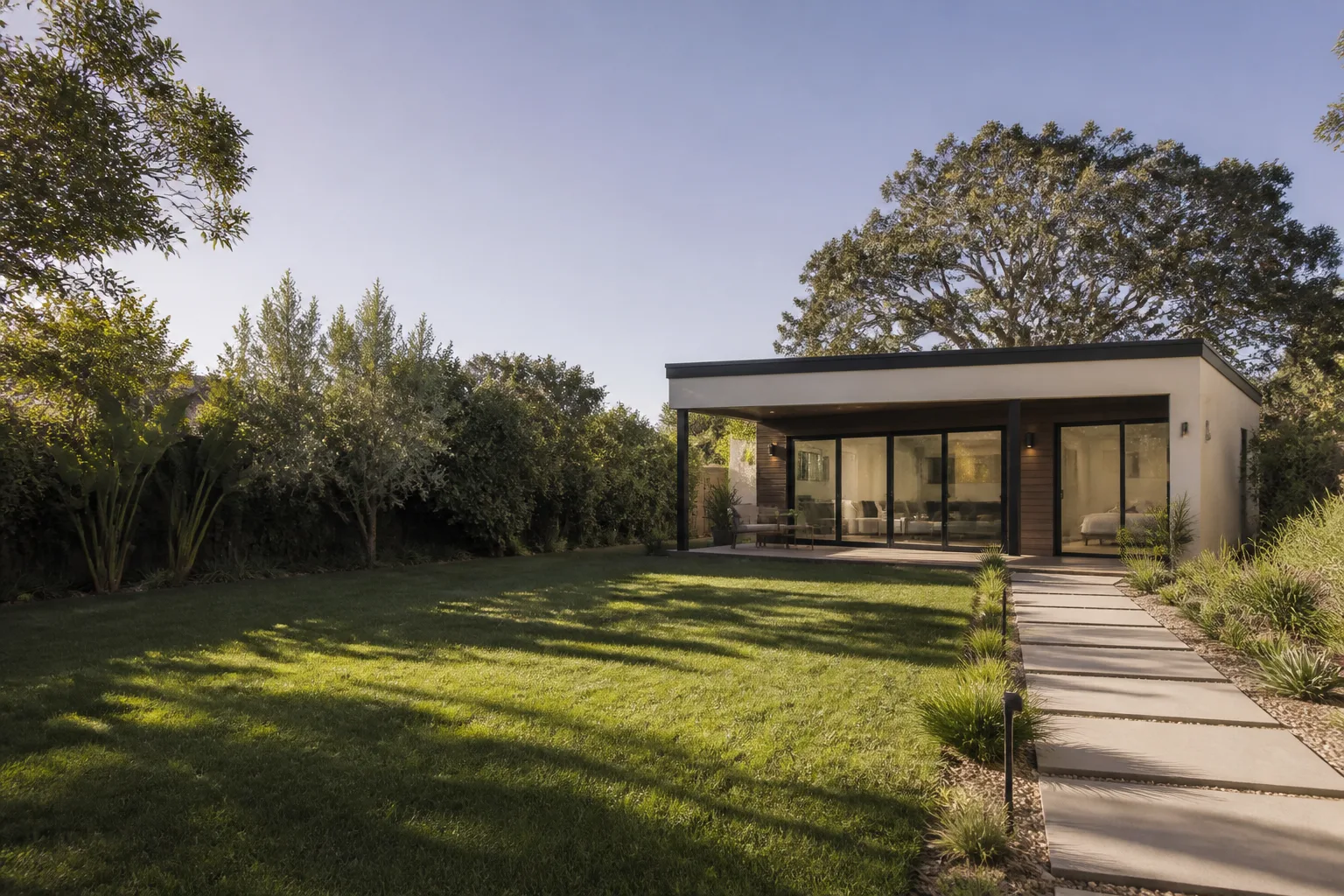
Clark County allows accessory dwelling units on single-family lots, but the size and placement rules are strict enough that they shape what fits on a typical Paradise lot before design even starts. The most common Paradise lots are between 5,000 and 8,000 square feet, and those dimensions decide everything.
Here’s the general shape of what the County’s zoning code requires (always confirm with the current ordinance for your specific parcel):
- Size cap: An ADU typically can’t exceed a percentage of the main house’s habitable square footage, and it typically can’t exceed an absolute cap. On a 1,200-square-foot Paradise ranch home, the practical cap usually lands around 500 to 650 square feet for a detached unit.
- Setbacks: Detached ADUs must respect the side and rear yard setbacks of the underlying zone. On interior side yards, that usually means 5 to 10 feet depending on the parcel’s zoning district. Rear yards often fall in the same range. Front-yard placement is generally not allowed for a detached ADU on a standard Paradise lot.
- Height: Single-story detached ADUs are the easiest path. Two-story detached ADUs can be allowed but trigger additional review points: shading of neighbors, fire access, and privacy. On a Paradise lot with an existing block wall, a second story is possible; it just takes more plan-check time.
- Lot coverage: Because Paradise lots are modest, lot coverage limits matter more here than in the outer suburban zones. A backyard already packed with a pool, a covered patio, and a shed can run out of allowable coverage before the ADU is even drawn.
- Parking: Covered parking requirements have relaxed in most cases near transit, but check your parcel’s conditions. On a narrow interior lot, that can mean a tandem parking spot in the driveway.
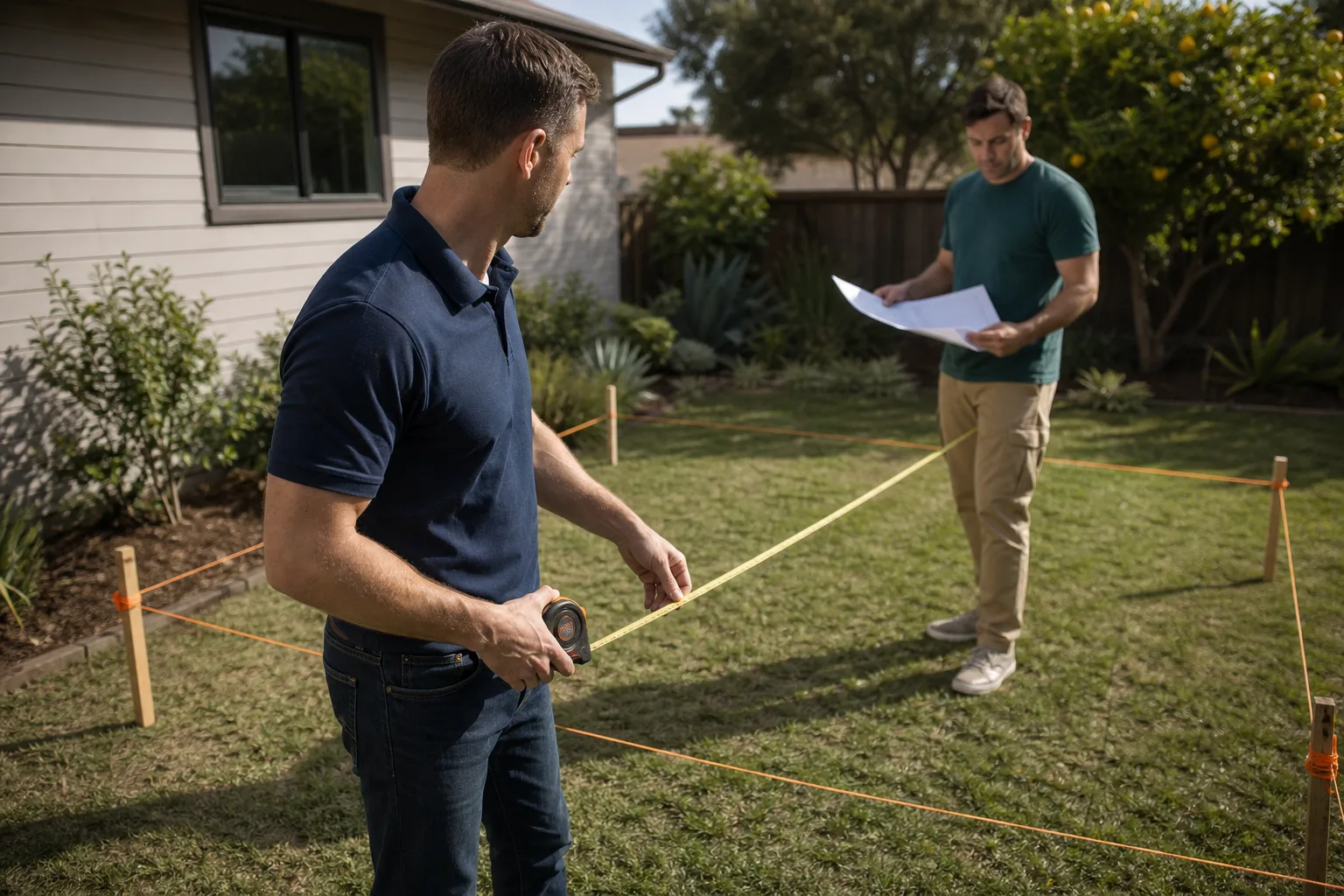
Before you fall in love with a floor plan, have someone pull your parcel record and measure the actual buildable envelope. Most Paradise lots can accept a 400 to 600 square foot detached unit. Most can’t accept a 900 square foot one, no matter how the pamphlet describes it.
What Does an ADU Actually Cost in Paradise?
Quotes in Paradise typically range from $180,000 to $320,000 for a detached unit, and between $90,000 and $180,000 for a garage conversion or attached addition. Those numbers only mean something once you break them apart. Here’s the line-item view of where the money goes on a typical 500-square-foot detached ADU in Paradise:
| Line Item | Typical Paradise Range |
|---|---|
| Design, engineering, and plan check | $8,000 – $18,000 |
| Clark County permits and impact fees | $6,000 – $14,000 |
| Site prep, grading, and slab/pier foundation | $14,000 – $28,000 |
| Shell construction (frame, roof, dry-in) | $55,000 – $110,000 |
| Windows, doors, and exterior finish (James Hardie siding is common here) | $12,000 – $24,000 |
| Mechanical, electrical, plumbing rough-in and finish | $25,000 – $45,000 |
| Interior finishes (drywall, paint, flooring, cabinetry, fixtures) | $25,000 – $50,000 |
| Utility trenching and connection | $5,000 – $22,000 |
| Landscaping restoration and cleanup | $2,000 – $6,000 |
The two biggest wildcards in Paradise are foundation depth and utility trenching distance. Caliche is common in the eastern parts of the valley, and running sewer from the far corner of the lot to the main can add thousands. A written price before work begins is worth more here than almost any other part of the contract. If a contractor quotes a single lump-sum number and calls it flexible, ask what happens when the trench hits rock. If the answer is “we’ll figure it out,” you know the answer.
For a full breakdown on the additions side of the budget, see our guide to hiring a home addition contractor in Paradise.
How Do Water, Sewer, and Electric Connections Work in Paradise?
Most Paradise homes connect to Clark County Water Reclamation District for sewer and to the Las Vegas Valley Water District for water. Electric typically comes from NV Energy. Understanding each utility’s process saves weeks in the schedule, because each one has its own inspection and activation sequence. Here’s the realistic order:
- Confirm the service capacity. Before design, confirm the main sewer line’s capacity and the water meter’s flow. On Paradise lots with older homes, the meter may not support an additional unit without an upgrade.
- Design the trench path. Measure the actual distance from the ADU’s proposed location to the existing sewer cleanout and water main. Every extra foot of trench is money, and caliche slows it down.
- Submit utility connection applications alongside the building permit. Don’t wait for the building permit to be approved before starting the utility paperwork. They run in parallel.
- Trench, install, and inspect. Trenching, laying pipe, and the backfill inspection happen on a schedule that the County and the utility districts coordinate. On a typical Paradise job, this is a two-to-three-week window.
- Activate the meter and final connections. The final electric meter set and the sewer lateral activation usually happen after the shell is complete and the interior is ready for occupancy.
Electric is usually the fastest of the three. Sewer takes the longest because it involves the outside agency’s inspection, not just the County’s. On a lot where the sewer line is shared with the neighboring property, another entire layer of coordination gets added, and that surprise is common in the older Paradise neighborhoods near the Strip corridor.
Why the 365-Day Done Right Promise Matters More in the Desert
New construction in the desert settles and moves in its first twelve months. That’s not a marketing claim; it’s thermal physics. Summer highs in Paradise regularly push past 110°F, and winter nights around the valley floor drop toward freezing. That swing puts real stress on every seam, every joint in the stucco, and every truss tie.
What that means for a Paradise ADU:
- Hairline cracks in stucco and drywall are normal in month two or three and should be corrected after the first full seasonal cycle.
- Doors and windows can develop draft points as frames expand and contract, which needs adjustment, not replacement.
- Roof flashing around penetrations (vents, skylights, HVAC lines) is where the first minor leaks show up if the sealant was applied in July instead of a cooler month.
- Foundation settling toward one side of the slab is worth watching, especially on lots with soil replacement.
A 365-Day Done Right Promise means the builder comes back and corrects what seasonal movement exposes. A one-year window covers the first full summer-to-winter cycle, which is exactly when the small issues show up. On a job that costs as much as a Paradise ADU does, a warranty that runs through the first seasonal cycle is the difference between a finished build and a stable one.
Every Seedling ADU is backed by the 365-Day Done Right Promise in writing. If something isn’t right, we make it right.
Prefab or Stick-Built: Which Fits Your Paradise Lot?
Prefabricated and modular ADU brands have gotten serious in the last few years, and several fit Paradise lots well. Which one fits yours depends on three things: setback clearances, crane or delivery access, and utility trench distance. Here’s how the main choices compare.
- Abodu: Designed around a footprint that fits tighter urban lots and arrives largely finished. Good match for narrower side yards where the build is one-story and access is limited.
- Cover: Site-specific design with a strong sense of finish, useful when you want the ADU to match the main house visually. Delivery timing is worth planning around.
- Tuff Shed: Not a full ADU on its own but a common starting point for utility structures or an initial shell that gets upgraded. Understand exactly what’s included before comparing it to a full ADU.
- James Hardie siding: The most common exterior finish we specify in Paradise because it holds up in the sun with less repainting than wood. Not a brand of ADU, but the material that keeps a Paradise ADU looking right after year five.
- Stick-built: Maximum flexibility for lot shape, roofline, and how the ADU ties into the existing home’s architecture. Takes longer and costs more per square foot.
One detail that gets missed in prefab comparisons: a modular unit still needs the foundation, utility trench, and County inspection on your Paradise lot, and those are the items most likely to run over budget. The purchase price on the website is not the same number as the delivered, connected, inspected total. When we quote a prefab ADU through any brand, the written price includes the site work and County process, not just the structure. See the details on our ADU builders in Paradise page, or look at the garage conversion contractor in Paradise option if your garage is a better starting point than your backyard.
What Does the Build Process Look Like, Week by Week?
A Paradise ADU build from day one to move-in typically takes nine to fourteen months. The realistic schedule looks like this:
- Weeks 1 – 3: Feasibility and parcel pull. Confirm jurisdiction (Clark County, unincorporated), pull the parcel record, measure the buildable envelope, and confirm the lot coverage headroom.
- Weeks 4 – 10: Design and engineering. Architectural drawings, structural, and the utility load calculations. Prefab brands run shorter here because many drawings are pre-approved.
- Weeks 10 – 14: Plan check with Clark County. Review timelines vary with volume. Respond to County comments quickly; each back-and-forth adds days.
- Weeks 14 – 18: Permit issuance and utility applications. Pull the building permit and file the water, sewer, and electric connection applications in parallel.
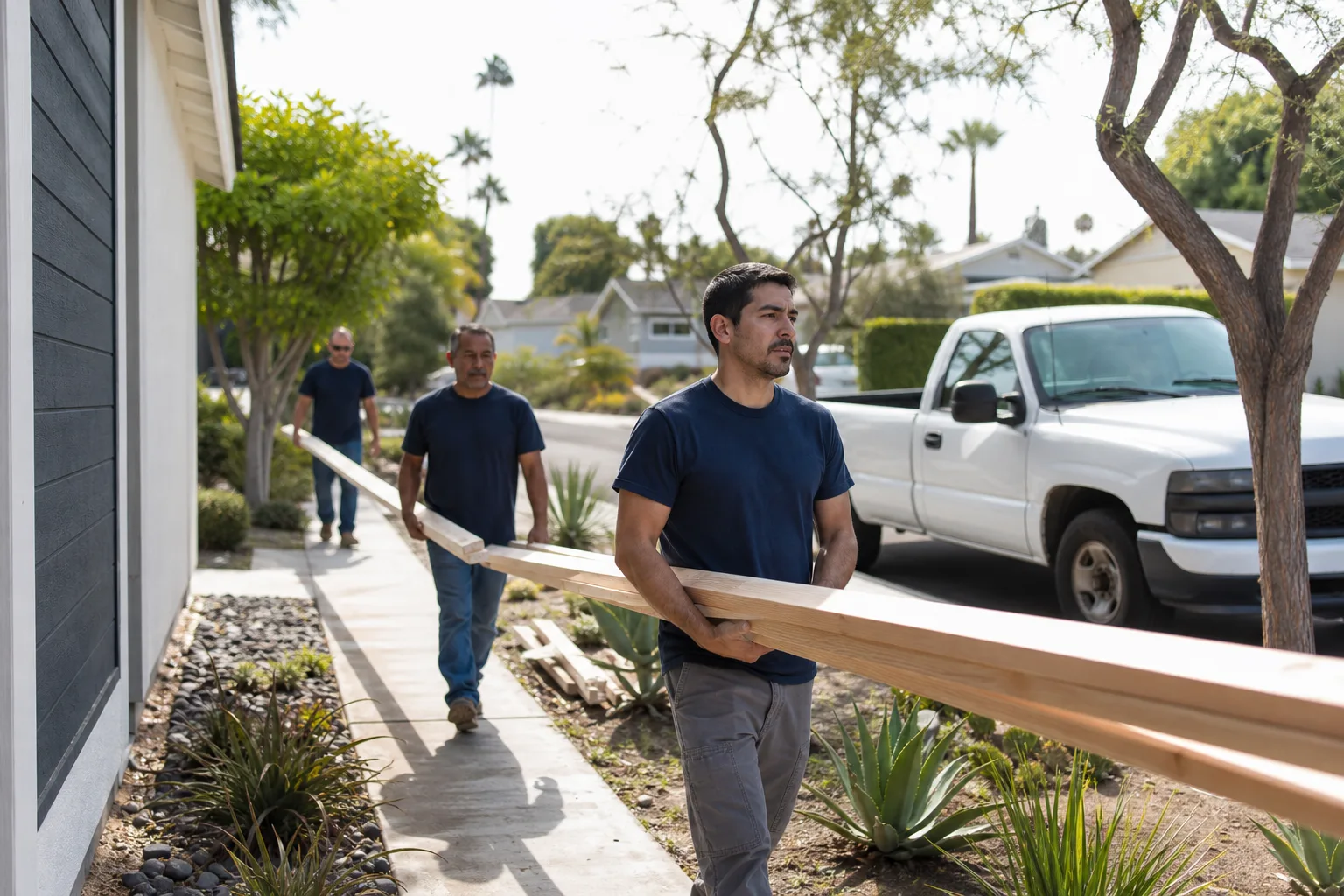
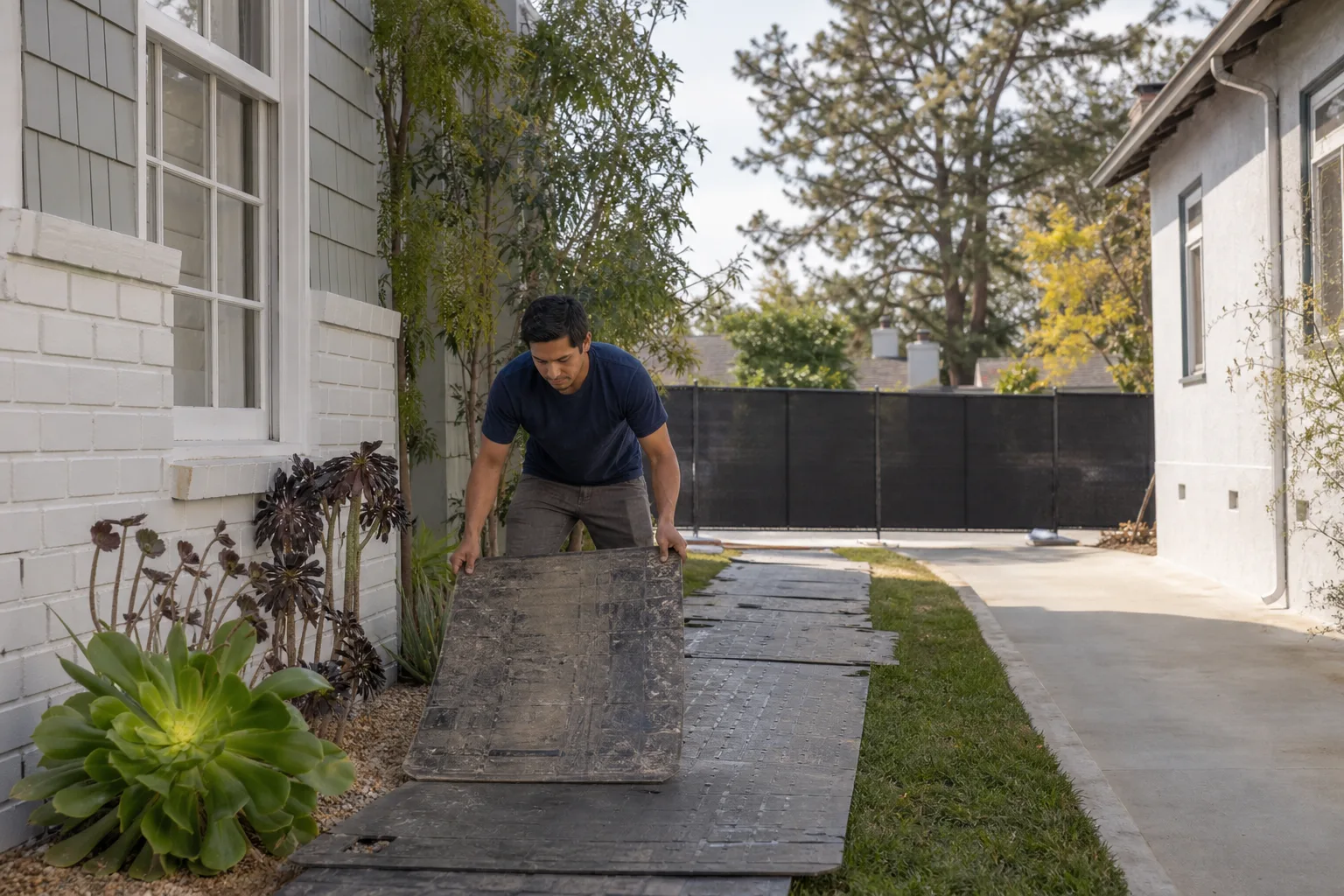
- Weeks 18 – 30: Site prep, foundation, and shell. Trenching and slab work happen first. Shell construction follows. On prefab, delivery and set occur in this window.
- Weeks 30 – 40: Rough-in and inspections. Mechanical, electrical, and plumbing rough-in with the County’s inspection sequence. Insulation follows.
- Weeks 40 – 52: Interior finishes. Drywall, paint, flooring, cabinetry, fixtures, and appliances. This is where families feel the disruption most, and where a crew that communicates before touching anything makes a difference.
- Weeks 52 – 56: Final inspections and move-in. Utility activation, final County inspection, and the cleanup walk that ends the job.
The schedule can be compressed on a garage conversion, which often runs six to nine months. Prefab units can shorten the build window but not the permit window. If you’re building from our Paradise home base, get the Seedling ADU Builders Paradise home team to walk the timeline with you before you commit; the schedule drives more of the budget than most homeowners expect.
Common Mistakes to Avoid
- Assuming Las Vegas rules apply. Paradise is unincorporated Clark County. A contractor who quotes based on city rules will hit a plan-check revision, and the delay costs you weeks. Confirm jurisdiction before signing.
- Skipping the parcel record. Every Paradise parcel has conditions attached: lot coverage history, prior variances, easements. Skipping that step is the single most common cause of a rejected plan.
- Ignoring the sewer trench distance. On larger Paradise lots, running sewer from the far corner to the main can add $10,000 or more. Measure it before you fall in love with a plan.
- Buying an ADU without reading the delivery-included list. Prefab brands price the structure, not the foundation, trench, or County inspection. Compare the total delivered price, not the showroom price.
- Starting interior work during July and August if you can avoid it. Stucco and sealant applied above 105°F can cure poorly. Scheduling exterior work for spring and fall in Paradise pays off in year-five appearance.
- Waiting to file utility applications until after the building permit is issued. Filing them in parallel saves four to six weeks on the back end of a Paradise job.
- Accepting a lump-sum price with no written line items. A written price before any work starts, with each line defined, is the only way to spot a padded bid or an underestimated line before the first invoice arrives.
When to Call a Professional
Call a professional ADU builder in Paradise when your parcel has an easement or prior variance, when your garage is on a shared wall with a neighbor, or when the sewer line requires a shared-lateral agreement. Call when your lot coverage is already near the cap because of a pool, a covered patio, or a detached shed; figuring out what to remove to make room for the ADU is its own design exercise. And call before you accept a contractor’s quote based on Las Vegas city rules, because the fix after plan-check rejection is more expensive than the review was upfront. Seedling ADU Builders Paradise offers free estimates in Paradise; call (833) 856-4236 to schedule one.
Frequently Asked Questions
A detached ADU in Paradise typically costs $180,000 to $320,000, and a garage conversion or attached addition runs $90,000 to $180,000. The two biggest swing factors are foundation depth (caliche is common on the east side) and the sewer trench distance to the main. Call (833) 856-4236 for an exact quote; estimates are free.
Clark County. Paradise is an unincorporated town, so building permits, plan check, and inspections all go through Clark County rather than the City of Las Vegas. That distinction matters enough that it’s worth asking every contractor you interview to confirm they’ve pulled Paradise permits recently. For a written scope and permit schedule, call (833) 856-4236.
Most Paradise lots between 5,000 and 8,000 square feet can accommodate a detached ADU in the 400 to 650 square foot range after setbacks and lot coverage. A 900-square-foot unit usually doesn’t fit unless the parcel is larger than typical or the existing home has significant square footage. Call (833) 856-4236 and we’ll pull your parcel and measure the envelope for you.
Realistically nine to fourteen months from signed contract to move-in, and six to nine months for a garage conversion. Plan check with Clark County is the most variable stage; responding quickly to comments keeps the schedule from slipping. Call (833) 856-4236 to get a written timeline for your specific lot before you commit to any contractor.
Usually yes, and for many Paradise lots a modular unit from a brand like Abodu or Cover is the better fit because the finished footprint is designed around tighter access and one-story placement. The purchase price you see online is not the delivered, connected, inspected total, though; the foundation, trench, and County process are separate line items in the written price. Call (833) 856-4236 to compare a prefab option to a stick-built plan on your specific parcel.
Because the first summer-to-winter cycle in Paradise puts real stress on a new build, and that’s when small issues surface. Hairline stucco cracks, door-frame tightness, and minor roof flashing points all appear in the first twelve months as the structure expands and contracts. The 365-Day Done Right Promise means we come back and make those right. Call (833) 856-4236 to talk through what’s covered in writing after you move in.
The Bottom Line
Building an ADU in Paradise is a specific-path project, not a Las Vegas template with a different address. Clark County’s plan-check process, the parcel’s lot-coverage headroom, and the trench distance to the sewer main all decide what’s possible before design starts. Get a written price with line items before signing anything, file utility applications in parallel with the permit, and require a warranty that runs through the first full seasonal cycle. The team at Seedling ADU Builders Paradise works on the County’s timeline, backs every build with the 365-Day Done Right Promise, and answers calls with a live person. Call (833) 856-4236 for your free estimate.
Written by the team at Seedling ADU Builders Paradise.