Last updated November 18, 2026
ADU Builders Warning Signs Every Homeowner Should Know
The most common complaint filed against ADU contractors in Clark County isn’t abandonment or outright fraud. It’s scope creep, enabled by contracts that never defined what “complete” meant in the first place. A homeowner signs a number that looks reasonable, the build begins, and somewhere around week six the change orders start arriving. A foundation detail that wasn’t in the drawings. An electrical panel upgrade nobody mentioned. That’s the pattern, and it’s almost always visible before the first shovel hits dirt, if you know where to look. This guide shows you where: in the contract, in the permit application, and in the first two weeks on-site, with specific notes for building an ADU in Paradise.
Quick Answer
The biggest warning signs of a bad ADU builder are an incomplete scope-of-work document, a contractor who asks you to pull your own permits, vague or unverified subcontractors, no posted permit on-site, and a promise of post-completion warranty given only verbally. Any one of these is a reason to slow down. Two or more together are a reason to walk away and get another bid.
Table of Contents
- What a complete scope-of-work document looks like (and three phrases that mean it isn’t)
- The permit sequence a trustworthy ADU builder follows
- Who actually does the electrical and plumbing?
- On-site warning signs in the first two weeks
- What a 365-day post-completion promise should say in writing
- How to read an ADU price in Paradise, Nevada
- Paradise-specific build concerns that a weak builder will ignore
What a complete scope-of-work document looks like (and three phrases that mean it isn’t)
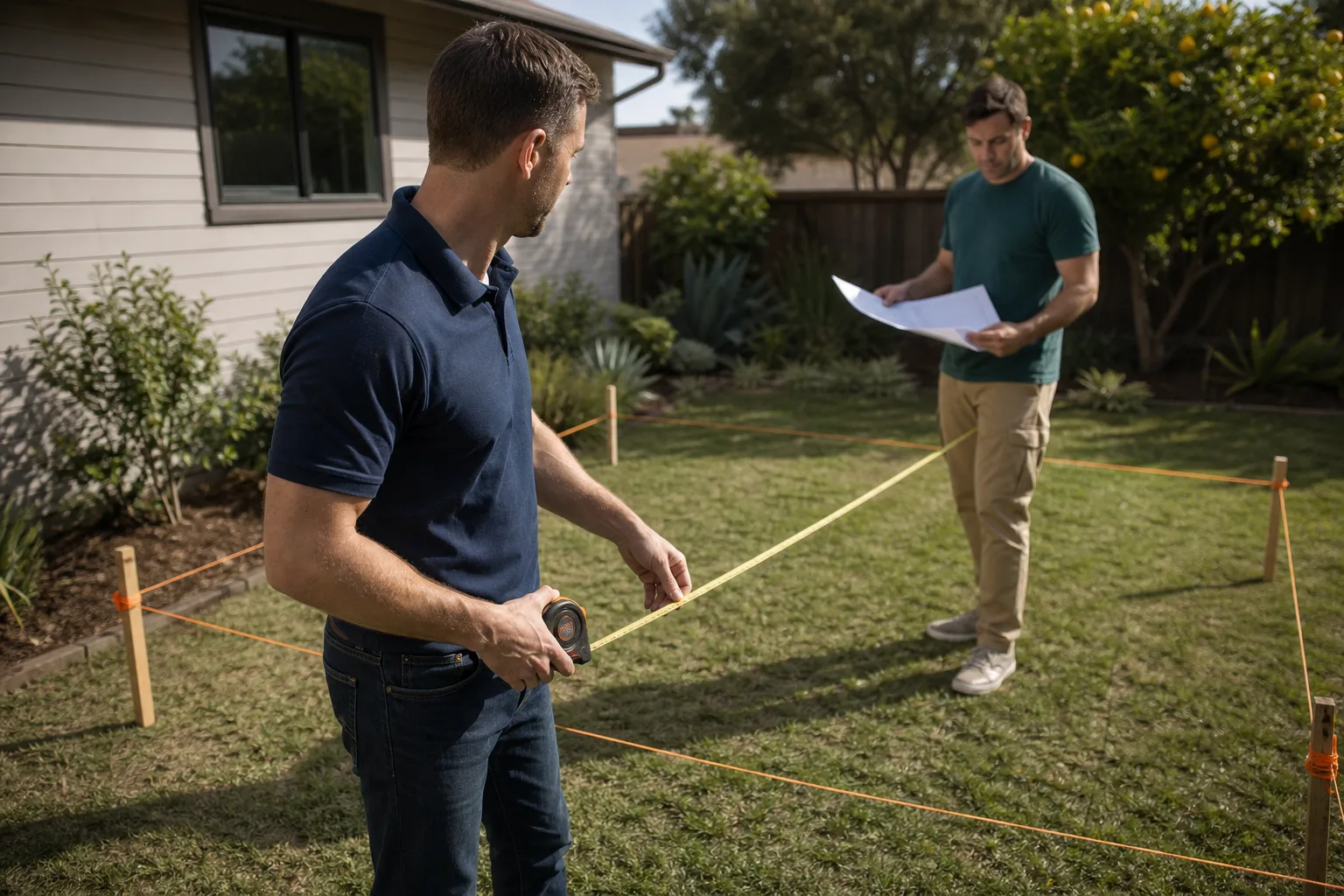
A scope of work is the part of your contract that lists, line by line, exactly what will be built and what’s excluded. Not a summary. Not a paragraph. A real one runs 15 to 40 pages on a detached ADU and names every trade, every material, and every assumption about your lot. The three most dangerous phrases we see on incomplete scopes are “standard site prep,” “allowance to be determined,” and “per code.” Each one hides a category of cost the builder hasn’t committed to.
Here’s what a defensible scope contains, at minimum:
- Site specifics: excavation depth, soil handling, grading, and where spoil dirt goes.
- Utility runs: distance from the main panel, water line, and sewer tap, measured in linear feet, not “to be field-verified.”
- Foundation type: slab, stem wall, or pier-and-beam, with the engineering called out.
- Material brands and models: siding, roofing, windows, insulation R-value, and finish level for flooring and cabinets.
- Explicit exclusions: what the builder is not doing so you can price it separately before you sign.
- Allowance amounts: if there’s an allowance for tile or fixtures, it should have a dollar figure and a stated overage rule.
When we quote a project in Paradise, the written price goes out before any work starts, and it references that scope line by line. A builder who won’t commit to a scope in writing is telling you they’ll price the change orders later. For a fuller picture of what a legitimate ADU build in Paradise involves, look for a scope that names each of those line items.
The permit sequence a trustworthy ADU builder follows
Permits are where lazy builders and honest ones separate fastest. In Nevada, a detached ADU on a residential lot typically needs a building permit, an electrical permit, a plumbing permit, and a mechanical permit, and often a separate grading or encroachment review depending on the lot. A trustworthy builder in Paradise walks you through a sequence that looks like this:
- Pre-application review. The builder checks zoning and setbacks before designing anything, including lot coverage rules and any HOA overlay.
- Plan set with engineering. Stamped structural drawings go in with the application, not after a comment cycle.
- Filing under the builder’s license. The contractor of record pulls the permit, not the homeowner.
- Response to plan-check comments. The builder, not you, answers the reviewer’s questions and revises the plans.
- Permit posted before framing. The approved permit and job card sit visible on-site from day one.
- Scheduled inspections. Foundation, framing, rough-in, insulation, and final, each booked by the builder.
The shortcut that should worry you: a builder who asks you to pull the permit as the owner-builder. That hands you the liability, and it usually means the builder isn’t properly licensed for the work or doesn’t want the inspection record in their name. A second shortcut is a builder who starts excavation before the permit is issued. Both are reasons to stop and ask questions. For a converted garage, the permit picture is different and worth understanding separately – see our garage conversion contractor in Paradise page for what those permits require.
Who actually does the electrical and plumbing?
Ask this question before you sign: who is doing the electrical, and who is doing the plumbing? A lot of ADU builders manage the job and sub out every trade. That’s fine, if they can name the subs, confirm each is licensed for their trade, and tell you who carries the insurance. When the answer is vague (“we’ve got guys”), that’s a warning sign, because the electrical and plumbing on an ADU are where code failures and inspection delays concentrate.
Three things to verify about subcontractors:
- Trade license: the electrician and plumber should each hold a license for their specific trade, not just work under the general contractor’s license.
- Insurance: ask for the certificate of insurance naming the project, not a verbal yes.
- Continuity: ask whether the same crew will finish what they start. A rotating cast of subs across a six-month build is how details get dropped between phases.
We’re specific about who’s coming and when, and our technicians are background-checked and uniformed on every job. Families in Paradise with kids and pets deserve to know exactly who is walking through their door and into their backyard to run a conduit. If you’re comparing builders, this is one of the cleanest questions to ask, because an experienced builder answers it in seconds and a weak one hedges.
On-site warning signs in the first two weeks
The first two weeks of a build reveal more than any reference call. Walk the site at the end of a workday and look for these specific things:
- No posted permit. The approved permit and inspection card should be visible. If they aren’t on-site by day two, ask why in writing.
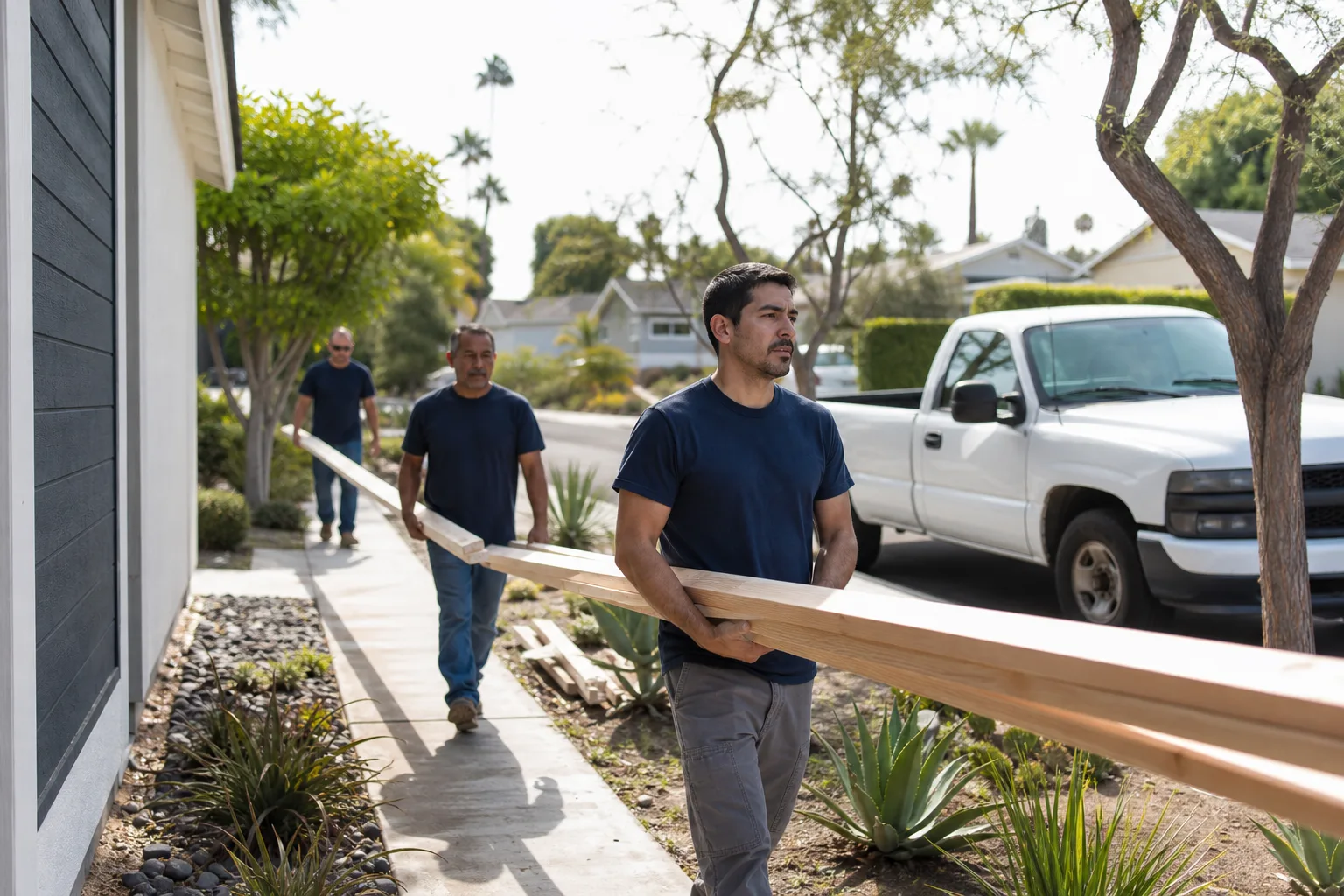
- Unmarked or uncovered materials. Lumber and materials left in the weather, or stacked without labeling, tell you the crew doesn’t have a material plan. In the Paradise sun, unprotected materials degrade faster than most homeowners expect.
- No site supervisor. A crew working with no supervisor present, and no one who can answer a question about the schedule, is a coordination problem waiting to hit your timeline.
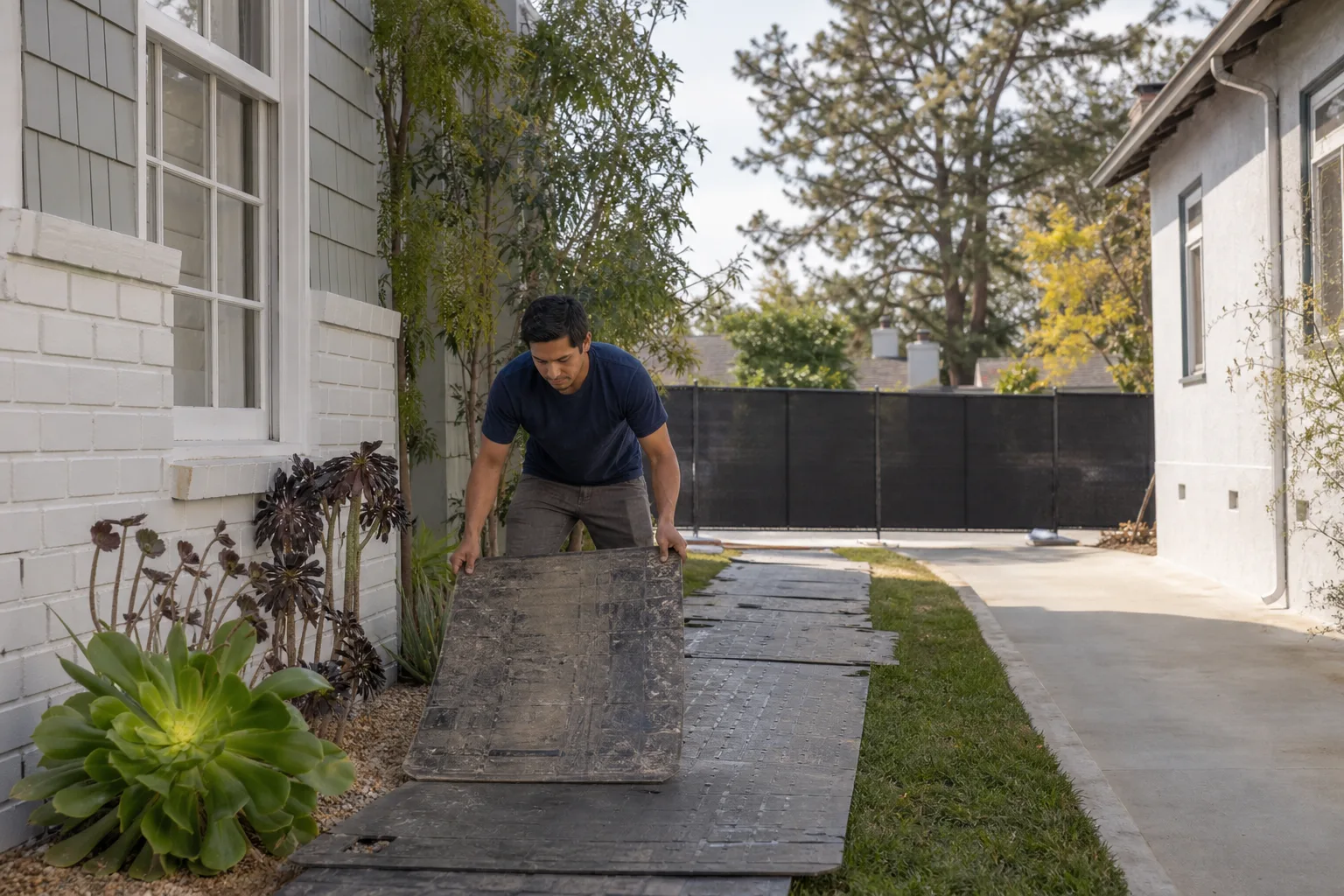
- No protection inside the home. If a crew is running utilities through the house and there are no shoe covers and no drop cloths, that’s a signal about how they’ll leave your floors at the end of the project.
- No clean-up. Debris and hardware left on the ground where a kid or a dog can reach it is a safety issue, not just a tidiness preference.
Our crews use shoe covers and drop cloths on every visit, use pet-safe products where there’s a choice, and photograph the clean-up before they leave. That’s the Cedarwell Care Promise, and it’s the standard you should hold any Paradise builder to. If the first two weeks don’t meet it, the last two weeks won’t either.
What a 365-day post-completion promise should say in writing
A warranty promise given verbally means nothing. What matters is what’s in the contract about the period after final inspection, and it should answer four questions: what’s covered, for how long, who does the repair, and how fast.
A solid written promise should state:
- The covered period: a defined number of days after completion, in the contract itself.
- The scope of coverage: workmanship and materials, and whether manufacturer warranties on items like James Hardie siding or windows are separate.
- Who performs the fix: the builder, a named subcontractor, or a third party.
- The response window: how fast they’ll come back for a warranty call, in writing.
- Exclusions: what voids coverage, stated plainly so there’s no argument later.
Our own job is covered by the 365-Day Done Right Promise: if it’s not done right, we make it right, and that applies to every ADU, garage conversion, and home addition we build. When you’re reviewing a Paradise contractor’s contract, find the warranty section and read it out loud. If it’s three sentences or fewer, ask for more.
How to read an ADU price in Paradise, Nevada
ADU costs vary enormously by size, foundation, utility distance, and finish level, so treat any single number with suspicion. What you should demand is a written price, broken into line items, before any work starts. Here’s the shape a legitimate breakdown takes, with planning ranges to help you compare bids (these are planning ranges, not a quote for your specific lot):
| Line item | Typical planning range | What drives the number |
|---|---|---|
| Detached ADU, 600 – 900 sq ft, shell and finish | $180,000 – $340,000 | Size, foundation, prefab vs. site-built, finish level |
| Garage conversion | $60,000 – $140,000 | Insulation, egress, electrical upgrade, HVAC |
| Site prep and grading | $6,000 – $18,000 | Slope, soil, utility trench length |
| Electrical panel upgrade | $3,000 – $8,000 | Existing service size |
| Utility runs (water, sewer, power) | $4,000 – $15,000 | Distance from the main to the ADU |
| Permit and plan-check fees | $2,500 – $9,000 | Size, valuation, number of reviews |
| Prefab unit (Abodu, Cover, Tuff Shed, etc.) | $120,000 – $280,000 | Model, size, site work excluded |
Where bids in Paradise go wrong is the exclusion list. If one bid is $40,000 lower than the rest, find out what’s missing: utility trenching, panel upgrade, or site work are common omissions. Get a home addition contractor in Paradise to walk the same scope if you’re considering adding to the main house instead of a detached unit, so you can compare apples to apples.
Paradise-specific build concerns that a weak builder will ignore
Paradise sits in the Mojave, and that shapes an ADU in ways a builder from a milder climate may miss. Summer highs regularly push over 105°F, which means cooling load and insulation R-value matter more than they would in coastal California. Attic ventilation and reflective roofing aren’t extras, and an undersized HVAC or a poor roof detail shows up as a hot box in July.
Wind is the other factor. The Las Vegas Valley gets gusty spring wind events, and roof tie-downs, exterior cladding attachment, and window flashing need to be detailed for it. If you’re using a brand like James Hardie fiber cement siding, the install specification includes fastener type and spacing for high-wind zones; a crew that doesn’t know the spec will install it loose. For prefab units, ask the builder which models come engineered for this climate and how the tie-downs are handled at the foundation.
Two more local details: our hard water shortens the life of cheap fixtures and tankless heaters, and the intense sun damages unprotected exterior materials within a season. A Paradise builder should be talking about these before you ask. For a broader look at how we approach the whole process, see our Seedling ADU Builders Paradise home page.
Common Mistakes to Avoid
- Signing a contract with an open-ended scope. If “standard site prep” is in the contract without a number, you’ve agreed to a blank check on the part of the build most likely to balloon.
- Letting the builder talk you out of the permit record. Pulling your own owner-builder permit in Nevada hands you liability and inspection risk. Don’t.
- Choosing the lowest bid without reading the exclusions. The gap between a $200,000 bid and a $160,000 bid is almost always the utility trench and panel upgrade, which you’ll pay for either way.
- Skipping the subcontractor question. Ask who runs the electrical and the plumbing and get the answer in writing. Vague answers cost you inspection time.
- Accepting a verbal warranty. If the 365-day promise isn’t in the contract with a coverage period and a response window, you have nothing to stand on.
- Ignoring the first two weeks on-site. No posted permit, uncovered materials, and no supervisor in week one predict the rest of the build. Walk the site.
- Overlooking climate details. In Paradise, an ADU built without wind-rated cladding and proper cooling load will cost you in comfort and repairs long after the build is done.
When to Call a Professional
Call a professional if you’re at any of these points: you’ve got a bid in hand and can’t tell if the scope is complete, a builder is pushing you to pull your own permits, you can’t get a straight answer about who’s doing the electrical, or the first two weeks on-site don’t match what you were promised. Those are all reasons to get a second opinion before more money changes hands. Building an ADU in Paradise is a significant decision, and a written price from a builder who walks you through the scope line by line is the baseline you deserve. Seedling ADU Builders Paradise offers free estimates in Paradise – call (833) 856-4236 to schedule yours, and we’ll put the price in writing before any work starts.
Frequently Asked Questions
The biggest red flag is a builder who asks you to pull the permit as the owner-builder. It transfers liability to you, usually signals the builder isn’t properly licensed or doesn’t want inspections in their name, and is a reason to walk away. Call (833) 856-4236 for a free estimate with a builder who handles the permits.
Detached ADUs in Paradise typically land between $180,000 and $340,000 depending on size, foundation, and finish level, while a garage conversion runs roughly $60,000 to $140,000. Those are planning ranges; your actual number depends on utility distance and site work. Call (833) 856-4236 for a written, line-item price – estimates are free.
With a complete scope of work, the price shouldn’t change unless you request a change. Open-ended phrases like “standard site prep” or “allowance to be determined” are what create change orders, so get every line item named in the contract before you sign. Call (833) 856-4236 to see what a fully itemized written price looks like.
Yes. A garage conversion needs building, electrical, plumbing, and mechanical permits, and often adds egress and insulation requirements. The builder should file and manage the permits and schedule the inspections. Call (833) 856-4236 for a free estimate that includes the permit picture for your lot.
A detached ADU in Paradise generally takes four to eight months from permit application to final inspection, and a garage conversion usually runs two to four months. Plan-check timelines and utility work drive most of the variance. Call (833) 856-4236 to get a realistic schedule for your project.
A written warranty should state the covered period in days, the scope of workmanship and materials, who performs the repair, the response window, and the exclusions. If it isn’t in the contract, it isn’t a warranty. Call (833) 856-4236 to review our 365-Day Done Right Promise with us before you sign anything.
The Bottom Line
The warning signs that predict a bad ADU build are visible before the first shovel, if you know where to look. Read the scope of work for open-ended phrases. Confirm the builder pulls the permits. Ask who runs the electrical and the plumbing and get it in writing. Walk the site in week one. Find the 365-day promise in the contract, not in a conversation. And in Paradise, ask about wind-rated cladding and cooling load, because the desert will test both. None of this requires construction experience. It requires that you slow down, ask the question, and put the answer on paper. For a written price before any work starts, call (833) 856-4236 for your free estimate.
Written by the team at Seedling ADU Builders Paradise.