Last updated November 18, 2026
DIY vs Professional Home Addition Contractor: What’s Safe to Do Yourself
Nevada lets a homeowner pull their own building permits as an owner-builder. Most DIY guides stop there and celebrate the money you’ll save. What they skip is the second half of the law: once you hold that permit, you become the general contractor of record, personally responsible for every subcontractor you bring onto the lot, every inspection that fails, and every defect a future buyer discovers. We’ve watched Paradise homeowners learn this the hard way after a garage conversion went sideways. This guide breaks down which parts of a home addition you can legally and safely self-perform in Paradise, which parts void your insurance if you touch them, and how to save real money by running your own project well instead of swinging a hammer badly.
Quick Answer
In Paradise, a homeowner can legally self-perform cosmetic finishing work – painting, landscaping, cabinet hardware, trim touch-ups – but structural framing, electrical, plumbing, gas, and mechanical work on a permitted addition must be done by a licensed Nevada contractor under Clark County permit rules. DIY structural or electrical work also creates an uninsured-loss gap, because standard homeowner’s policies exclude faulty workmanship you performed yourself. The smart play is to hire licensed trades for everything permit-required and act as your own owner’s representative on the rest.
Table of Contents
- What Nevada Law Actually Permits an Owner-Builder to Do
- Scope-by-Scope: What Requires a Licensed Contractor
- The Insurance Gap DIY Articles Don’t Mention
- Where DIY Genuinely Pays Off
- The Real Cost Comparison: Permits, Corrections, Resale
- How to Be a Smart Owner’s Representative
- Common Mistakes to Avoid
- When to Call a Professional
What Nevada Law Actually Permits an Owner-Builder to Do
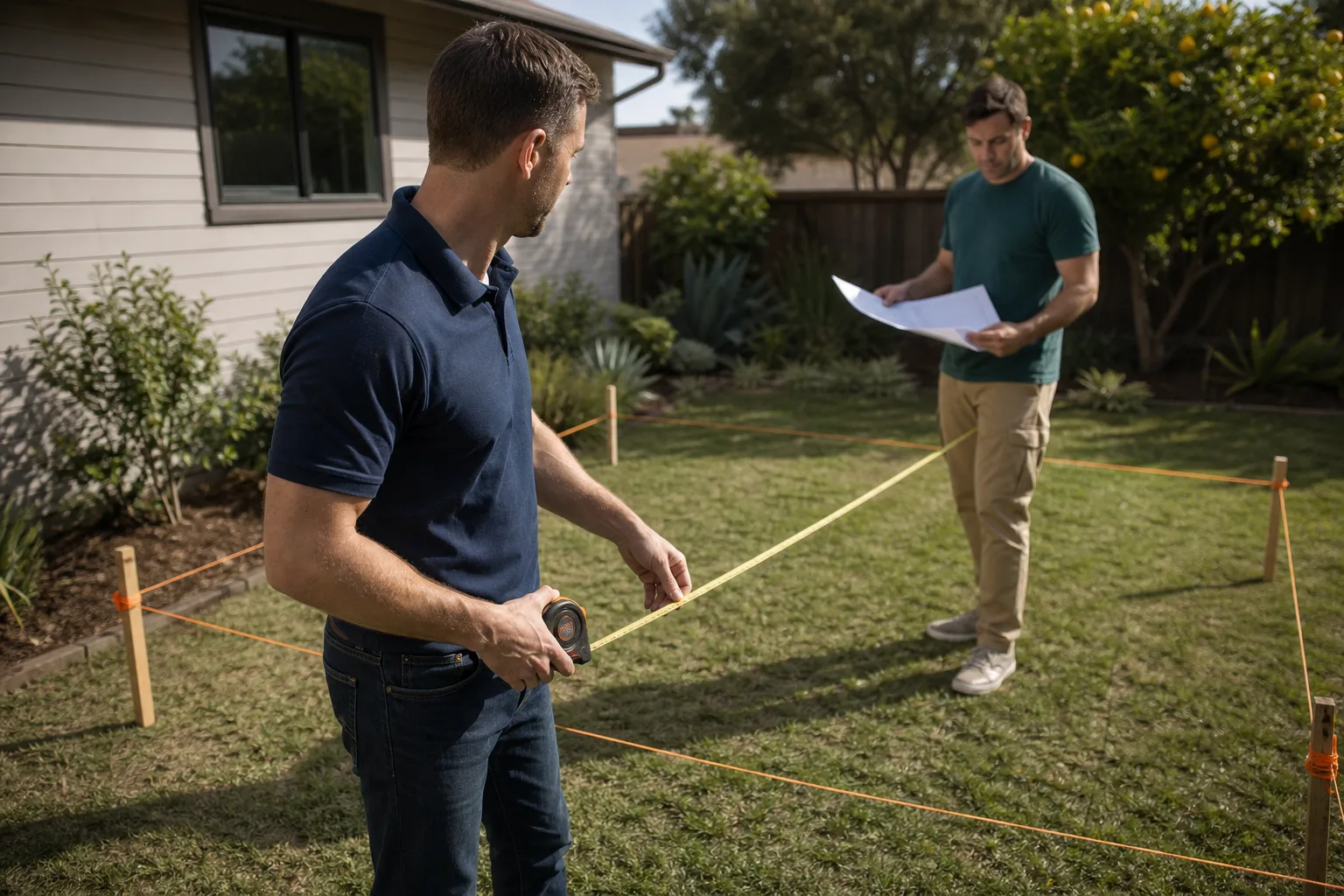
Nevada’s owner-builder provision exists so a family can build or improve their own primary residence without hiring a general contractor. Under Clark County permit rules, the homeowner signs as the contractor of record and can pull permits for an addition, a garage conversion, or a detached structure. That’s genuinely useful. It’s also where the fine print bites.
The moment you sign as owner-builder in Paradise, three things become true:
- You are the general contractor. Scheduling inspections, coordinating trades, and meeting the county’s sequencing requirements all fall to you.
- You carry the liability. If a framing sub you hired cuts a beam wrong, the county comes to you, not to them.
- You can’t flip it. Owner-builder permits are for your own residence, not for a property you intend to sell quickly. Selling within a short window after an owner-builder project invites scrutiny and disclosure obligations.
What the law does not do is let you perform licensed trade work just because you hold the permit. Permit-holding and license-to-perform are two different questions. Paradise sits in Clark County, and the county inspects to the same code whether the person holding the screw gun is a licensed electrician or the homeowner. A failed rough-in inspection in Paradise means a correction notice, a re-inspection fee, and another wait in the queue – and because summer heat pushes electrical loads hard across the valley, undersized DIY wiring tends to surface in July, not in a controlled test.
If you’re weighing a full ADU instead of an addition, the legal picture shifts again, and our ADU Builders in Paradise page walks through the specific permit paths for accessory structures on Paradise lots.
Scope-by-Scope: What Requires a Licensed Contractor
Here’s the honest map. Nevada requires a licensed contractor for particular scopes of work regardless of whether you hold the permit. The distinction isn’t “hard versus easy” – it’s “regulated versus unregulated.”
- Structural framing and foundations: Licensed contractor required. Load paths, shear walls, and anchor bolting are code-reviewed and inspected.
- Electrical (rough and finish): Licensed electrician required. Panel work, new circuits, and anything inside a wall.
- Plumbing and gas lines: Licensed plumber required. Gas is the one no homeowner should ever touch.
- HVAC and mechanical: Licensed mechanical contractor required for ductwork, refrigerant, and venting.
- Roofing on a permitted addition: Licensed roofer required, even on a modest bump-out.
- Drywall hanging and finishing: Can be self-performed on smaller scopes; large additions benefit from a pro crew.
- Flooring, paint, trim, hardware: Homeowner can self-perform legally.
The interior work is where the DIY boundary gets fuzzy. A homeowner can hang a kitchen cabinet, but not add a circuit to power a new range hood. You can paint, but not run a gas line to a new cooktop. Our Home Addition Contractor in Paradise page details how the trades sequence on a permitted bump-out, and why the inspection calendar in Paradise dictates the order more than any contractor’s preference does.
One more Nevada-specific wrinkle: if you plan to convert an existing space into sleeping quarters or a rentable unit, several Paradise homeowners we’ve worked with discovered mid-project that egress requirements and smoke/CO detector placement shifted the scope. Those are life-safety items, not cosmetic – they can’t be value-engineered out.
The Insurance Gap DIY Articles Don’t Mention
Standard homeowner’s policies cover sudden accidental damage. They exclude damage caused by your own faulty workmanship. That exclusion is the quiet trap. If you wire a new bedroom, the wiring passes inspection, and two years later a loose connection starts a fire, your insurer can deny the claim because the loss traces to unlicensed work you performed.
Where unpermitted or DIY structural and electrical work closes the gap, the pattern typically looks like this:
- Fire or water damage occurs. Your adjuster investigates the origin.
- The investigation traces the failure to work that wasn’t done by a licensed trade or wasn’t permitted and inspected.
- The policy exclusion for faulty workmanship kicks in. The loss shifts from the insurer to you.
- Costs balloon. Remediation, rebuild, and lost use of the home all come out of your wallet.
Nevada’s heat and dust amplify this. Attic wiring in Paradise runs hotter in summer, and DIY upgrades to older panels can silently exceed their rated load for years before anything gives. The clients we’ve helped recover from a DIY wiring issue uniformly said the same thing: they thought inspection passing meant “safe.” It means “met minimum code on the day it was looked at,” which is a different bar.
Professional work doesn’t eliminate risk – houses fail. What it does is move financial exposure back to the insurer, where it belongs, because the work was performed by a licensed trade and covered by a written contract and workmanship warranty.
Where DIY Genuinely Pays Off
You asked what’s actually safe to do yourself. There’s a real list. These are the tasks where your labor saves money without touching permit-required scope or creating an insurance gap.
- Finish painting: Once drywall is finished, sanded, and primed, paint is yours. A whole addition in Paradise can save $2,000-$4,500 on painting labor, which is the highest ROI DIY task on a project.
- Landscaping restoration: Rebuilding beds, reseeding turf, and reinstalling drip lines outside the building envelope. Concrete removal and irrigation trenching that touches trench utility lines is a gray zone – keep the scope above ground.
- Cabinet hardware and shelving: Knobs, pulls, closet shelving, and interior organizers. All finish work, no permits.
- Closet systems and wall-mounted organizers: Anchored into finished walls, no electrical or plumbing.
- Interior decorative lighting: Plug-in fixtures on existing outlets only. Anything that touches a switch box or new circuit goes to a licensed electrician.
- Fence and gate staining: Cosmetic wood care on already-installed fencing.
There’s an honest rhythm to this kind of work. Finish painting and landscaping want to happen last, in the same weeks the crew is packing out. We’ve found that scheduling homeowner paint after the final walkthrough avoids rework and gives the family a quiet, low-stakes task that actually feels good to complete. Cabinet hardware installs easily in evenings or weekends without disrupting the crew.
What looks DIY but isn’t: tile in wet areas (shower pans, backsplashes with outlet cuts), hanging cabinet boxes, extending electrical into an island, moving any plumbing fixture, and always anything involving gas. Each of those touches a permit or a licensed scope.
The Real Cost Comparison: Permits, Corrections, Resale
Comparing “$65 an hour contractor labor vs. my Saturday” is the wrong math. The right math includes correction costs and resale friction. Here’s what actually shifts the ledger in Paradise.
- Permit and plan-check: A permitted addition in Clark County commonly runs $1,500-$4,500 in permit and plan-review fees depending on square footage and scope. The same either way, whether you or a contractor pulls it.
- Re-inspection fee: $75-$175 per visit for a failed inspection in most Paradise-code jurisdictions. Three failed inspections on a self-managed electrical rough-in costs more than the licensed electrician would have charged for the same rough-in.
- Correction and rework: Realistically $1,800-$6,000 on a typical homeowner-managed addition, because DIY mistakes are found late. A framed wall that gets sheathed before inspection, an outlet behind a cabinet, a drain slope that doesn’t flow.
- Resale disclosure: In Nevada, sellers must disclose known defects and whether work was permitted. An unpermitted addition of even a converted garage can reduce a listing price by 5%-15% in a Paradise market or derail a buyer’s financing outright. Lenders increasingly won’t finance a home with unpermitted living space.
- Insurance gap cost: Not quantifiable until it happens. Which is the point.
Add the permit timeline into the math. Paradise plan check takes weeks, and inspection slots fill first come, first served – missing a slot because a sub rebooked pushes your project back a month, with rent, alternative housing, or a stalled family schedule to absorb. That’s the cost no labor-hour comparison ever captures.
If you’re building a full accessory home on your lot, our Seedling ADU Builders Paradise home page breaks down total project ranges by product type, which gives you a real budget baseline for comparison.
How to Be a Smart Owner’s Representative
The best money a homeowner can save on an addition isn’t in the labor hours – it’s in the oversight. You don’t have to swing a hammer to protect a budget. You have to know what to ask and when.
Here’s the sequence we recommend to Paradise clients who want to stay engaged without creating liability:
- Hire the trades, don’t manage them. Bring in one licensed contractor who owns the whole scope, then hold them to the schedule. Being your own general contractor to save 10%-15% typically costs 15%-25% in corrections.
- Demand a written price before work starts. Every line item, every allowance, every finish schedule in writing. Any quote that says “we’ll figure it out after demo” is a warning sign.
- Attend inspections. You don’t have to be on site daily – but showing up for rough-in, framing, and final inspections tells everyone the homeowner is engaged.
- Keep one decision log. Date, who asked, what you approved, what it changed. When a change order appears, you compare against your log. Prevent surprises
- Walk the site at the same time every week. Same day, same hour. Patterns emerge: what got done since last week, what got skipped, what the crew left for later. Predictability protects you.
- Verify insurance before each sub shows up. Certificate of insurance in your inbox, dated this project. Never accept “we’ll send it over.”
- Insist on clean-up documentation. If your contractor can’t produce a photo of a cleaned site, you’re managing a crew, not a project.
The clients who save the most in Paradise are the ones who treat their addition like a project they’re accountable for – not a service they’re buying. That distinction is worth tens of thousands of dollars over a project, without a single hour of DIY lab.
Common Mistakes to Avoid
- Treating a permit as a license to do trade work. Nevada owner-builder status lets you hold the permit; it does not let you run electrical, plumbing, or gas. Two different questions.
- Hiring subs directly to “save the GC markup.” Every sub you hire directly is one whose liability becomes yours. In Paradise, this is the number-one way families end up with a correction notice on their name.
- Skipping insurance verification. A tenant or sub without insurance working on your property is a liability exposure your homeowner’s policy doesn’t cover.
- Ordering materials from an ADU brand without checking the site plan first. A prefab unit from Dvele, Mighty Buildings, or Plant Prefab can be beautiful on paper and impossible to deliver onto a Paradise lot with a narrow access or slope. Confirm delivery, craning, and utility hookup before you buy.
- Letting one trade self-inspect and self-sign-off. Always verify the inspection happened with a county record, not just a subs word. Paradise homeowners have been burned on this.
- Painting or finishing before final inspection. Covering up rough-in work before it’s signed off can require demolition to re-inspect. Wait for the sign-off.
- Assuming resale is someone else’s problem. Unpermitted additions follow the house, not the seller. When you go to sell in Paradise, your buyer’s lender will ask, and the answer matters.
When to Call a Professional
Call a licensed contractor in Paradise the moment the scope touches structure, electrical, plumbing, gas, mechanical, or roofing – every one of which requires a licensed trade in Nevada. Also call when the addition changes the building footprint, adds a bedroom, or converts a garage to living space, because each of those triggers egress, life-safety, and permit review that DIY can’t shortcut. If you want the ADU path instead of an addition – whether a detached unit from Abodu, Cover, or Boxabl, or a garage conversion – that’s a conversation worth having early, because lot access and zoning determine feasibility before price does.
Seedling ADU Builders Paradise builds accessory dwelling units, garage conversions, and home additions, and we work with the brands serious ADU buyers research before they call anyone: Abodu, Cover, Dvele, Mighty Buildings, Boxabl, Plant Prefab, Tuff Shed, and James Hardie materials. Every project comes with a written price before any work starts, and every completed job is covered by our 365-Day Done Right Promise – if it’s not done right, we make it right. Our technicians have up to 25 years of experience, our crews are background-checked and uniformed, and every visit includes shoe covers, drop cloths, pet-safe products where there’s a choice, and a photo of the clean-up before the crew leaves. Seedling ADU Builders Paradise offers free estimates in Paradise – call (833) 856-4236.
One note of care: if you’re considering touching a panel or a gas line yourself, don’t. High-voltage panels and gas lines are the two most common sources of severe home injury. The savings on a licensed electrician or plumber are never worth the risk – and the licensed pro is insured, permitted, and inspected, which is exactly the protection a DIY attempt can’t give you.
Frequently Asked Questions
You can legally self-perform the finishing scope – painting, landscaping, cabinet hardware, trim – but Nevada requires a licensed contractor for structural, electrical, plumbing, gas, and mechanical work, even if you hold the owner-builder permit. The permit lets you sign; it doesn’t let you perform licensed trades. Most Paradise homeowners save real money by hiring licensed trades for the regulated scope and handling finish work themselves. Call (833) 856-4236 for a free estimate on the licensed portion – that’s the fastest way to know what the real breakdown is.
Standard policies typically exclude damage caused by your own faulty workmanship, so DIY structural or electrical work can create an uninsured-loss gap. If a fire traces back to wiring you installed, the insurer can deny the claim. Licensed work moves the exposure back to the insurer where it belongs. If you’re unsure how your policy reads, ask your carrier before you start – and get a written estimate for the licensed scope so you can compare real costs, not just labor rates.
You face failed inspections, correction notices, and re-inspection fees ($75-$175 per visit), and if the work later causes a loss, your insurer can deny the claim. Unpermitted electrical also has to be disclosed at resale in Nevada, which can affect the buyer’s financing or the sale price. The half-day of licensed electrician labor you were trying to save can cost five times that in the end. Call (833) 856-4236 to get a written estimate for the electrical portion of your addition.
You can, but every sub you hire directly becomes your liability, because as owner-builder you’re the general contractor of record. That shifts insurance, sequencing, and inspection responsibility to you. In practice, we’ve seen that “saving the GC markup” on a Paradise addition usually costs 15%-25% more in correction and coordination. If you want a written price on the whole scope up front, call us for a free estimate.
Painting, landscaping restoration, cabinet hardware, closet systems, and plug-in decorative lighting are all safe for a homeowner – none touch permit-required scope. Everything else, including any tile in wet areas, hanging cabinet boxes, and any gas or panel work, goes to a licensed trade. Task the finish painting for after final inspection so nothing gets covered up prematurely. Call (833) 856-4236 for a written estimate that separates the DIY-safe scope from the licensed scope – it makes the decision easy.
Yes – Nissan sellers in Nevada must disclose known defects and permit status, and unpermitted additions can reduce a listing price by 5%-15% in Paradise or cause a buyer’s lender to decline financing. That’s before accounting for retroactive permit costs to bring the work into compliance. If you’re planning a resale in the next few years, permitting the work correctly on the front end is almost always cheaper. Call (833) 856-4236 to talk through the permit path for your addition.
The Bottom Line
The DIY-versus-contractor question in Paradise is narrower than most articles suggest. You can legally paint, landscape, and finish hardware. You cannot legally – or safely, or insurably – touch structure, electrical, plumbing, gas, or mechanical work on a permitted addition. The real savings from DIY live in that small, safe scope plus smart owner’s-representative behavior: demanding written prices, verifying insurance, walking the site weekly, and holding the licensed contractor to a schedule. Play that role well in Paradise and you’ll save real money without creating an insurance gap, a resale problem, or a correction notice in your name. Play it badly and the corrections cost more than the labor you skipped. The team at Seedling ADU Builders Paradise is here to give you a written price before any work starts, and our 365-Day Done Right Promise covers every job we build.
Written by the team at Seedling ADU Builders Paradise.